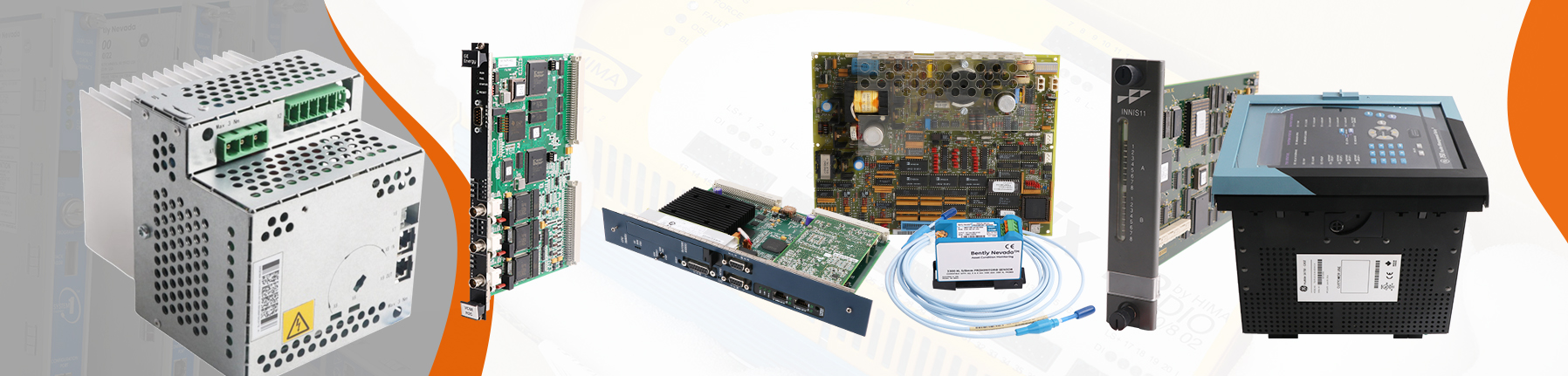

What Is the Bently Nevada 330930-045-00-05 3300 NSv Extension Cable The Bently Nevada 330930-045-00-05 3300 NSv Extension Cable is a key connection component used in vibration monitoring systems. It links proximity probes to monitoring equipment, allowing accurate transmission of vibration signals from rotating machinery to the monitoring system. For customers operating turbines, compressors, or other high-value rotating assets, maintaining reliable signal transmission is essential for equipment protection. This cable is designed for use within turbine monitoring and condition monitoring environments where precision and reliability are required. As part of the broader ecosystem of TSI spare parts, the extension cable ensures that vibration data collected by probes reaches the monitoring system without signal loss. Stable data transmission is critical for accurate diagnostics and effective predictive maintenance. Why the 4.5-Meter Cable Length Matters for Industrial Installations One of the defining parameters of this model is the 045 cable length option, which equals 4.5 meters (14.8 feet). In many industrial environments, sensors and monitoring racks are not located close together. The additional cable length provides flexibility during installation and allows engineers to route cables safely around turbine housings or protective enclosures. From a customer’s perspective, choosing the correct cable length can prevent installation complications later. When vibration probes are positioned near turbine shafts while monitoring equipment is installed in control cabinets, the 330930 extension cable ensures the connection remains stable. For companies managing complex Turbine Supervisory Instrumentation components, proper cable configuration helps maintain signal integrity and reliable monitoring. How the Non-Armored Cable Option Improves Installation Flexibility The 00 connector and cable option means the cable is supplied without stainless steel armor. This design provides a lighter and more flexible cable structure, making installation easier in environments where mechanical protection is already provided by conduit systems or protected cable trays. For maintenance teams, this flexibility can simplify installation and replacement procedures. When replacing TSI modules or performing routine inspections on turbine monitoring systems, technicians often need cables that are easier to route and handle. The non-armored design allows faster installation while still maintaining the performance required for sensitive monitoring signals. Why Multiple Agency Approvals Matter for Industrial Safety The 05 agency approval option, which represents multiple approvals, is another important feature of the Bently Nevada 330930-045-00-05 cable. Industrial facilities often operate under strict safety and regulatory requirements, especially in sectors such as power generation, oil and gas, and petrochemical processing. For customers operating globally, components with mu...